Built on science. Run by operators.
Molecular biology from Sorbonne and CNRS meets storage-industry execution from Hitachi and Hitachi Vantara.
Biomemory spun out of Sorbonne University and CNRS in 2021

Biomemory spun out of Sorbonne University and CNRS in 2021. Most players in DNA data storage hold one piece of the stack; Biomemory spans molecular biology, biochemistry, hardware, software, and industrial production in a single integrated platform, the hard part of this field. The same research lineage reached a sovereign milestone in 2021, when the French National Archives preserved two founding texts in DNA using the CNRS and Sorbonne science behind Biomemory.
The decision since has been to industrialize that science rather than keep it in the laboratory. After the Catalog assets acquisition, Biomemory owns DNA production in Boston alongside its site in Paris. As of 7th September 2026, pending final country-level reconciliation. Biomemory's IP portfolio spans 21 patent families, with 53 patents already granted — across 10 of those families — and 84 further applications pending, for 137 total filings worldwide spanning encoding, synthesis, storage, retrieval, search, and compute.
Built by scientists and operators

Laurent Guengant

Storage, telecom and energy executive with 30+ years leading global businesses, strategy, growth and transformation.

Erfane Arwani
Founder and entrepreneur with 10+ years building cloud and storage companies from vision to scale
Vincent Franceschini
Storage industry veteran with 30+ years spanning research, product leadership and innovation at global companies

Dominique Loque
Molecular biology executive with 20+ years advancing life sciences, biotechnology and scientific innovation across industries

Jessica Ayache
Biotechnology leader with 10+ years in biology and biochemistry, combining scientific expertise with industrial execution
Frédéric Larriere
Finance and strategy leader with 26 years spanning high-growth, LBOs, turnarounds, fundraising and financial operations.

Cyril Martin
Hardware and systems leader with 20+ years delivering complex products at Apple, Microsoft and startups
Ellen Simmons
12 yrs XP in Biosystems 1st person in the world to build a DNA data storage printer
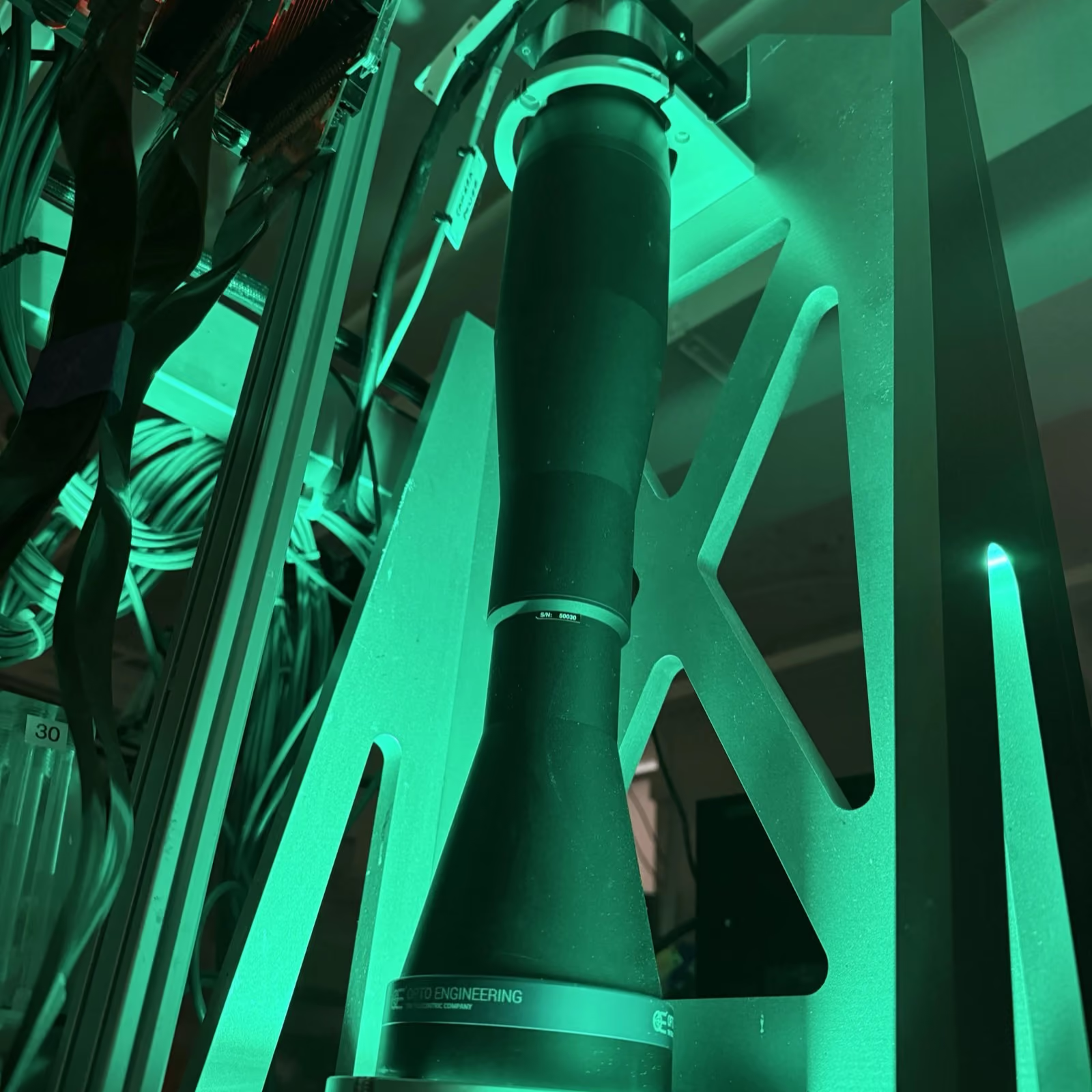
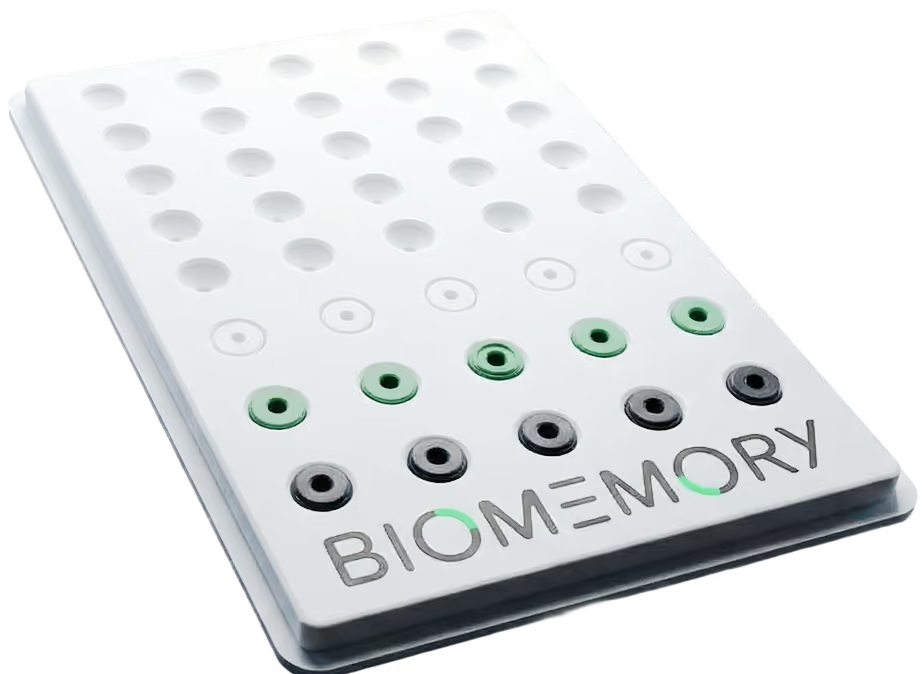
Biomemory DNA production
After Catalog’s assets acquisition in 2026, Biomemory owns DNA production in Boston, with a second line to come in Paris. With patents spanning encoding, synthesis, storage, retrieval, search, and compute, and co-chairmanship of the DNA Data Storage Alliance.
It is common knowledge that it will be possible to read DNA for centuries to come. Biomemory codecs efficiently encode DNA for fast reading through our software.
SNIA DNA Data Storage Alliance
Biomemory is a leader in commercial DNA data storage and is a member of the DNA Data Storage Alliance, a SNIA Community. Biomemory's representative Vincent Franceschini is the current co-chair of the DDSA, and Chairman Emeritus of SNIA.
Beyond silicon
Biomemory awarded
LinkedIn Top Startups 2026
Europe and North America

Paris
Headquarters and DNA research
5 impasse Reille, 75014 Paris, France
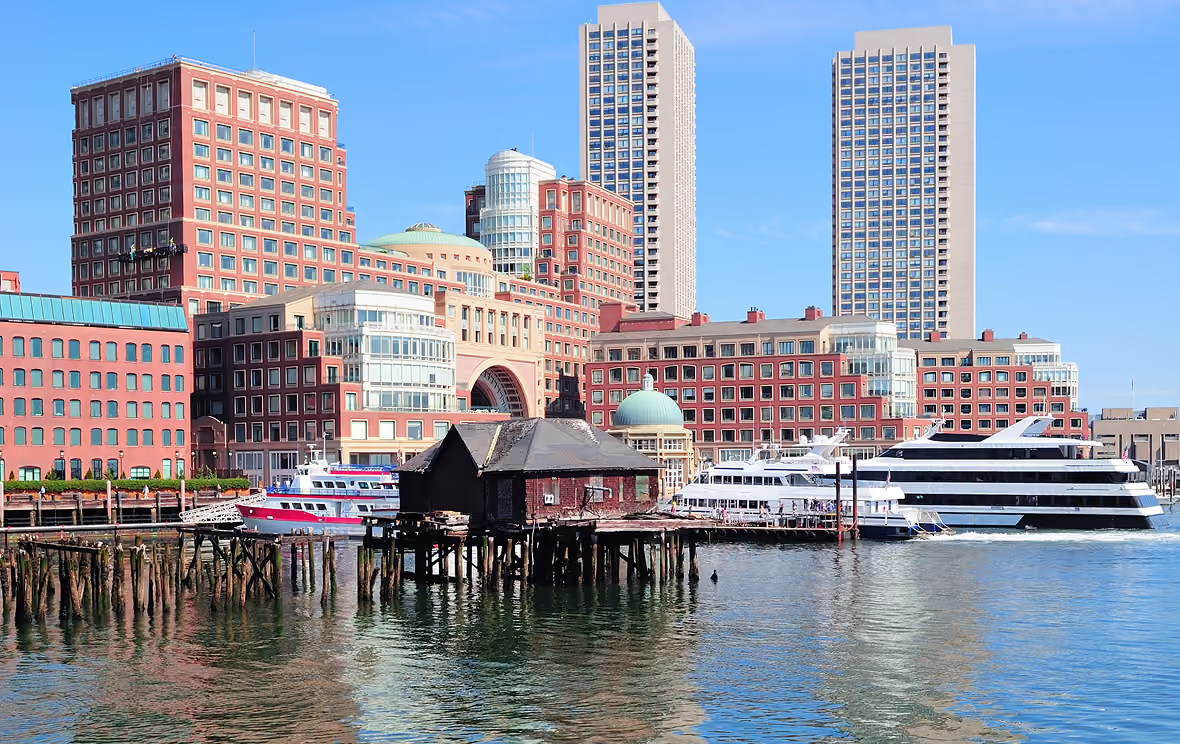
Boston
DNA production and research
529 Main Street, Suite 125 (AKA 1025), Charlestown, MA 02129 USA
- The Opportunity
Data is growing faster than the media built to hold it, and the data that matters most is the hardest to keep safe.
DNA is a new layer in the IT stack, beyond silicon: enormous capacity in almost no space, held for decades, with no power at rest and no network for an attacker to reach.
DNA takes share of large, established markets: cold storage, enterprise archiving, and data security. Together these are worth tens of billions of dollars today and head toward the hundreds of billions within a decade.
The DNA category inside them is early and growing fast, with serious capital and several players moving in.
Biomemory's near-term focus is the security and archive segments.
Storage is the first market. Molecular computing is the next.